
8.8.1 CDMA Uplink capacity finding
In CDMA uplink, the capacity is found by gradually filling system with users until a certain average noise rise with the specified threshold noise rise is reached. The Noise rise is measured as the linear average of dB values – across all 19/57 base-stations. After every trial SEAMCAT calculates the average noise rise over the total number of trials and if this value is above the threshold restarts the simulation with a lower value of users per cell.
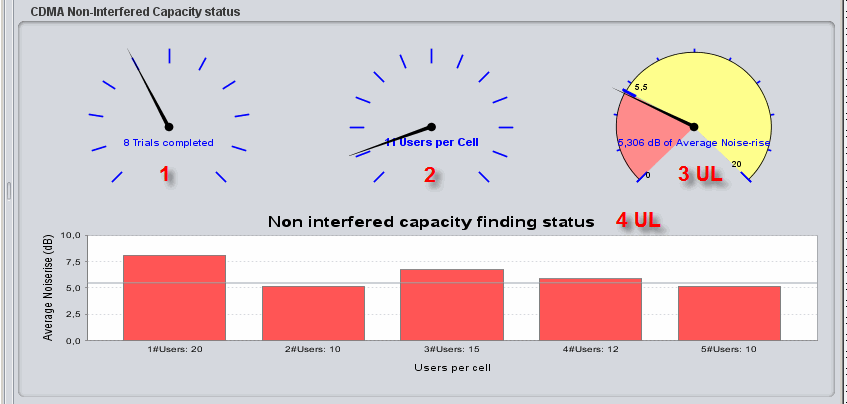
Figure 197: Uplink non-interfered capacity finding
Table 32: Elements of the uplink non-interfered capacity finding screen
|
ID |
Description |
|
1 |
This dial indicates the number of trials completed with the current capacity. This dial will range from 0 to the number of trials entered as value “4” on Figure 191. |
|
2 |
This dial indicates the current number of users being tested. Range is dynamic and the dial is mainly intended as an easy visual indicator of values being tested. |
|
3 UL |
The needle shows the current value of average noise rise across the trials run. The red area indicates the noise rise is too low (too few users in the system) – the green area is the target noise rise (plus/minus) the tolerance specified. The yellow area indicates the average noise rise is too high (too many users in the system). |
|
4 UL |
The bar chart gives information on previous values tested. The Y axis is the average noise rise and the X axis is the number of users per cell being tested. |